
If your PC randomly turns off without warning, especially while gaming, streaming, or doing demanding tasks, it’s a serious issue that shouldn’t be ignored. Many gamers search “Why does my PC randomly turn off?” because the shutdowns often happen suddenly, with no error message or blue screen.
A PC turning off randomly is usually a safety response triggered by overheating, power instability, or failing hardware. In this in-depth guide, we’ll break down exactly why it happens, how to diagnose the root cause, and how to fix it permanently.
How a Random PC Shutdown Happens
When a PC loses power instantly, it means the system is cutting itself off to prevent damage. Unlike a crash or blue screen, a sudden shutdown is usually related to hardware-level protection mechanisms rather than software errors.
That’s why when people ask, “Why does my PC randomly turn off?”, the answer almost always points to thermal or power issues first.
Common Signs Your PC Is About to Shut Down Randomly
-
PC shuts off instantly with no warning
-
The screen goes black, and the fans stop
-
Happens during gaming or high-performance tasks
-
PC won’t turn back on until it cools down
-
Random shutdowns become more frequent over time
These signs indicate a PC turning off randomly due to stress or instability.
Main Reasons Why Your PC Randomly Turns Off
1. CPU or GPU Overheating (Most Common Cause)
Overheating is the #1 reason a PC randomly turns off. Modern CPUs and GPUs have built-in thermal protection that forces a shutdown when temperatures exceed safe limits.
Why does this happen?
-
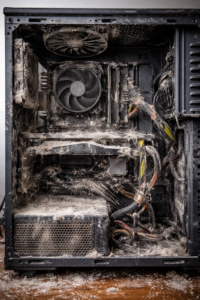
Dust buildup blocks airflow
-
Old or dried thermal paste
-
Poor case airflow
-
Failing CPU or GPU fans
What to do:
-
Clean dust from fans, heatsinks, and filters
-
Reapply thermal paste to the CPU
-
Add or reposition case fans
-
Monitor temps using HWMonitor or MSI Afterburner
Safe temperature ranges:
-
CPU: 60–85°C
-
GPU: 60–85°C
-
Above 90°C = shutdown risk
2. Power Supply Issues (Very Common)
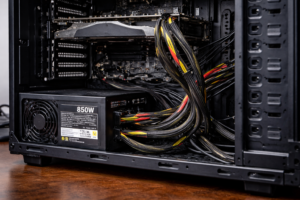
A weak, failing, or low-quality PSU is another major reason why your PC randomly turns off. Gaming PCs require stable power, especially during GPU spikes.
Common PSU problems:
-
PSU wattage too low for GPU
-
Aging power supply
-
Loose or damaged cables
-
Cheap power supply with unstable rails
Fix:
-
Check GPU power requirements
-
Use a reputable PSU brand
-
Reseat all power cables
-
Replace the PSU if shutdowns persist
If your PC turning off randomly happens mostly during gaming, the PSU is a prime suspect.
3. Faulty or Overstressed Hardware
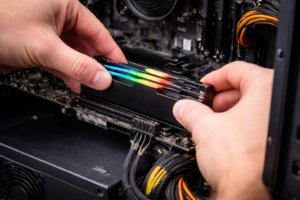
Hardware components can fail slowly over time, causing instability and shutdowns.
Possible culprits:
-
Bad RAM modules
-
Failing GPU
-
Motherboard power delivery issues
Fix:
-
Reseat RAM and GPU
-
Test RAM using Windows Memory Diagnostic
-
Run system with minimal components
4. Corrupt Windows System Files or Drivers
Although less common than hardware issues, corrupted system files or drivers can cause system instability.
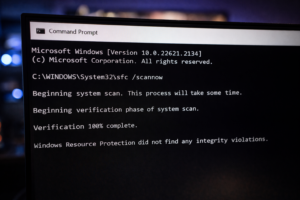
Fix corrupted files:
Run Command Prompt as Administrator:
This repairs system files that could contribute to your Problem.
5. BIOS or Firmware Problems
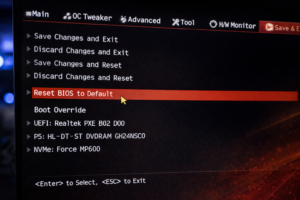
Outdated BIOS firmware can cause poor hardware communication, leading to shutdowns.
Fix:
-
Update the motherboard BIOS
-
Reset BIOS to default settings
-
Disable unstable overclocks
6. External Power Problems
Sometimes the issue isn’t your PC at all.
Check for:
-
Faulty power strips
-
Loose wall outlets
-
Power fluctuations
Fix:
-
Plug the PC directly into the wall
-
Try a different outlet
-
Use a UPS for clean, stable power
How to Diagnose Why Your PC Randomly Turns Off
Step 1: Stress Test Components
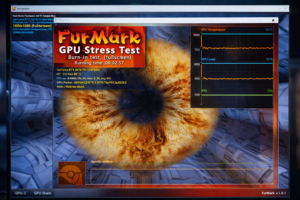
Use:
-
Cinebench (CPU test)
-
FurMark (GPU test)
Results:
-
Shutdown during CPU test → CPU cooling or PSU
-
Shutdown during GPU test → GPU or PSU
Step 2: Monitor Temperatures
Run temperature monitoring software while gaming. Sudden spikes before shutdown confirm overheating.
When Should You Replace Hardware?
If your PC keeps turning off randomly after fixing temperatures, drivers, and power issues:
-
Replace PSU first (most common failure)
-
Then test the GPU
-
Lastly, consider motherboard replacement
How to Prevent Random PC Shutdowns in the Future
-
Clean your PC every 3–6 months
-
Monitor temperatures regularly
-
Avoid cheap power supplies
-
Don’t overclock without proper cooling
-
Keep BIOS and drivers updated
Final Thoughts
If you’re constantly asking, “Why does my PC randomly turn off?”, don’t ignore it. A PC turning off randomly is a warning sign that something is wrong — but in most cases, it’s completely fixable.
By identifying the cause early, you can prevent permanent hardware damage and keep your gaming PC running smoothly and safely.